

 Analysis by Gamescozy
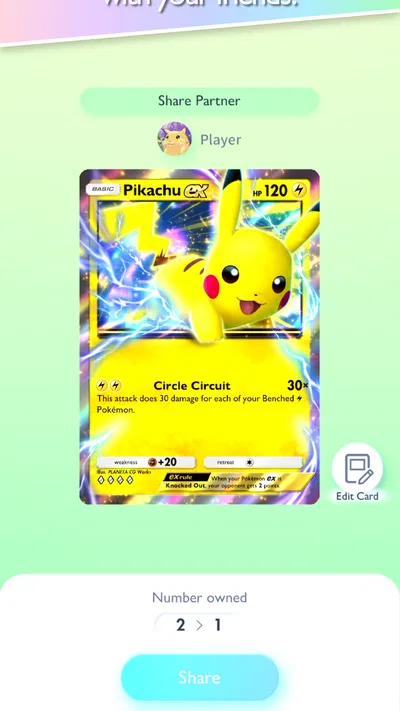
I can see why Pokémon TCG Pocket works as a small shared ritual: one person opens a pack, another checks the artwork, and everyone has an opinion about which card is worth keeping. But it is still a personal collecting game, not a family account or a shared collection tool. On a phone that passes between people, it helps to agree whose game profile is being used before anyone starts tapping. That simple boundary avoids turning a cheerful pack-opening moment into an argument about who owns a new card.
One phone, one collection, and a clear routine
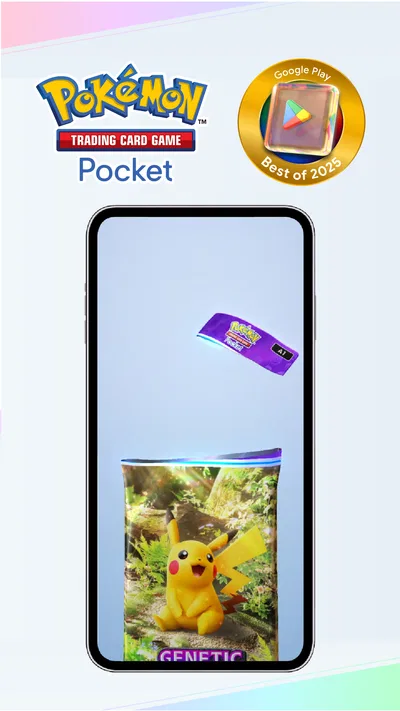
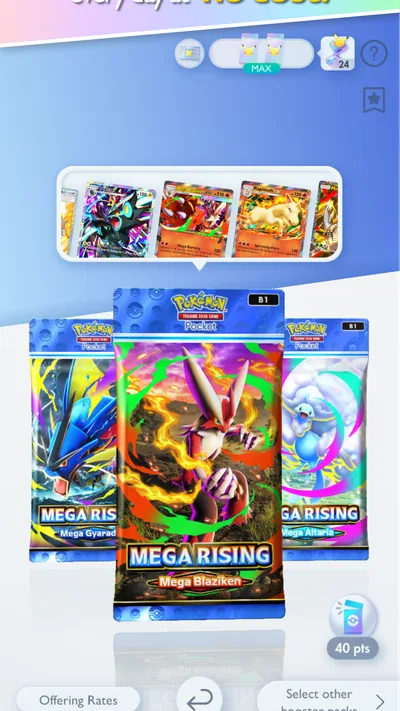
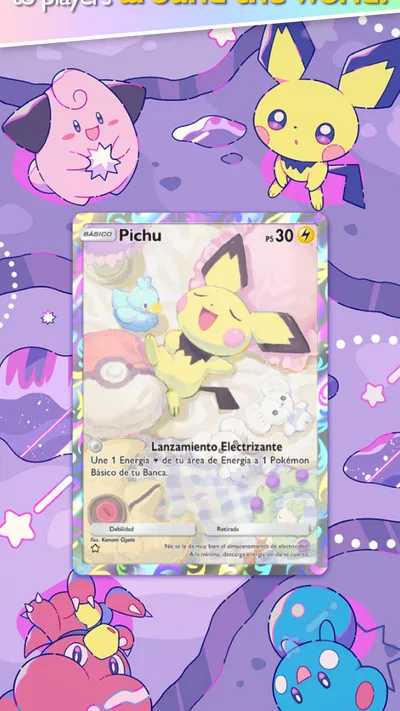
Made by The Pokémon Company, this free card game is built around collecting Pokémon cards and enjoying the reveal when a booster pack opens. Its central appeal is easy to understand even if you have never played the tabletop trading card game: the cards are recognizable, the illustrations give each reveal personality, and opening packs is satisfying without requiring a long session. I find it particularly suited to short breaks, rather than to people who want a deep, uninterrupted strategy game every time they pick up a phone.
The daily free pack allowance gives a household a natural routine, but it does not make the game a communal account. If several people use the same device, decide in advance whether they are taking turns on one collection or whether only one person should handle it. A collection represents progress on that profile, so a child or guest tapping around without understanding the distinction could change what is selected or how the game is being used. I would keep ownership clear instead of treating the app like a family scrapbook.
That boundary matters most when a device is shared casually. A parent might open a pack with a child, then hand the phone back; a sibling might see the game already open and assume it is their turn. Agreeing who is signed in and who gets to make choices is more practical than expecting the app to manage household roles. I would also avoid leaving a payment decision to a young player: the game is free to start, but it offers purchases, so the person responsible for the device should handle any buying choices.
Why the pack-opening loop suits brief visits
The appeal is less about completing a long campaign and more about returning to see what a pack contains. That makes it easy to fit into a commute, a quiet moment at home, or a quick break between other activities. The trade-off is that the pleasure depends on enjoying collection and discovery. If you want a card game where every session is chiefly about mastering complex tactics, this may feel lighter than you want.
For a household, the reveal can be a good shared moment precisely because it is simple to follow. Someone who knows Pokémon well can enjoy the card art, while a newcomer can still understand the excitement of seeing which card appears. Yet watching together is different from sharing progress: the game does not turn one collection into a collaborative family project. I would treat it as one player’s hobby that others can enjoy alongside them.
A useful habit is to make the free opening part of a planned check-in rather than letting the app become a constant distraction. For example, after dinner, the owner can open a pack and show the cards to everyone who is interested, then put the phone away. This keeps the game’s brief-session strength intact and makes it easier to avoid repeated requests to use a shared device. It is a household routine, not a feature the game imposes.
Setting expectations around purchases and access
The price is free, while in-app purchases range from $0.99 to $99.99 per item. That range is worth discussing plainly before a child plays on a device connected to a payment method. I would explain that opening packs for free is part of the experience, while paid options are optional and should not be tapped without permission. This is especially important when several family members know the device passcode or take turns using the same screen.
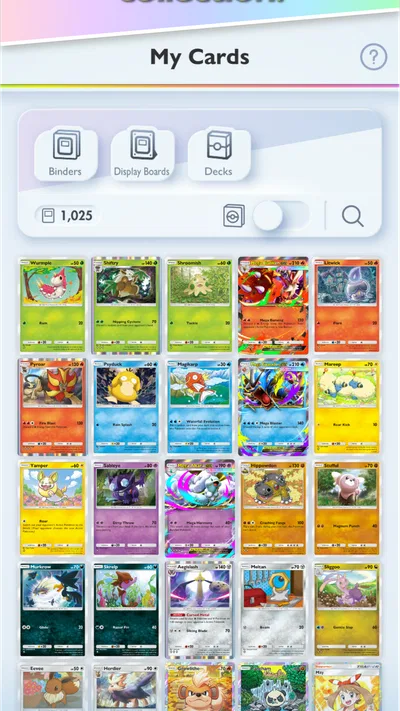
If you are the account owner, decide whether other people may browse the collection, open packs, or simply watch. Those are different levels of access, even if the phone itself is shared. A younger player may be happy to look at cards without being responsible for purchases or collection decisions. A more invested player may prefer to keep the device in hand so their choices remain their own. Setting expectations in advance is more reliable than trying to resolve confusion after a purchase prompt appears.
There is also a practical distinction between handing someone the phone and handing them the collection. I would not let a very young child explore unsupervised simply because the game’s content rating is Everyone; that rating is useful context, not a substitute for an adult’s judgment about spending and screen habits. If the child is old enough to use it independently, a brief conversation about paid items and whose profile they are using is still sensible.
Keeping a household collection orderly
Coordination is easier when the owner keeps a simple rule: one person makes collection decisions, and other players can look or discuss. That avoids accidental changes and makes it clear who is responsible for the account. If people want their own progress and preferences, using separate personal devices or profiles where available is a cleaner arrangement than sharing one ongoing collection. I would not assume that a shared phone automatically means shared ownership.
There is a social upside to showing cards around. A collector can explain why a particular illustration is appealing, or let someone else guess what might appear next. Those conversations do not require everyone to understand card-game strategy. On the other hand, if the household wants a game where each person has a clearly separate turn, matched opponents, or a shared family challenge, this collecting-first experience may not be the best fit. Its strength is the card reveal, not organizing a group activity.
One small workflow that works well is to decide beforehand whether the pack opening is a solo moment or a shared one. If it is shared, pass the device only after the owner has opened the game and is ready to show the result; if it is solo, avoid leaving the profile open for someone else to explore. This reduces confusion without needing elaborate house rules. It also preserves the sense that the collection belongs to the person who is building it.
Age, trust, and the right kind of supervision
The game is rated Everyone, which makes its general content approachable for a broad audience. In my view, the more relevant family question is not whether Pokémon cards are suitable to look at, but whether the player can handle optional spending and understands that a digital collection is tied to a profile. Parents should match access to the child’s maturity and the household’s payment arrangements rather than relying on the rating alone.
For younger players, playing together can be a good way to explain how collecting works and why a free game may still present paid choices. For older children, I would give them more independence only after agreeing on a spending rule. Adults sharing a device should have the same conversation with one another: who may use the profile, who can make purchases, and whether everyone is comfortable with the collection being visible. Clear expectations are more useful than vague assumptions about what another person will do.
The game’s audience is also broader than dedicated card battlers. A Pokémon fan who enjoys artwork and collecting may get plenty from the experience without wanting to study competitive play. Someone who already loves tabletop deck construction may instead want more emphasis on face-to-face matches, elaborate deck decisions, or the feel of physical cards. Compared with the usual physical card-game experience, this app is convenient and immediate, but it cannot replace the social exchange of sitting across a table with a real deck.
How it compares with other card-game choices
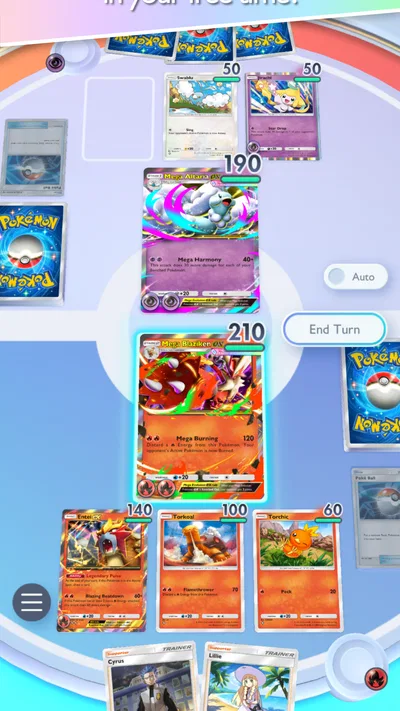
Against a conventional digital card battler, Pokémon TCG Pocket feels appealing when you want recognizable creatures, collectible illustrations, and a low-effort reason to return. It is less compelling if your main goal is a demanding tactical ladder or long matches that reward detailed planning. The game’s identity is closely tied to opening and collecting, so I would choose it for that particular pleasure rather than expect it to satisfy every kind of card-game fan.
Compared with collecting physical Pokémon cards, the mobile version is easier to open during a spare moment and does not require carrying a binder or pack. The trade-off is that the experience stays on the screen and within the game profile. If sorting real cards, trading face to face, or owning physical artwork is the point, a digital collection will not deliver the same feeling. If convenience and quick reveals matter more, the app has a clear advantage.
The game has an average rating of 4.6 from around 1.8 million ratings, and it has passed 50 million installs. Those figures suggest a broad audience, but they do not guarantee that the collecting loop will suit every player. It has also accumulated around 40,000 written reviews, so prospective users can see that plenty of people have formed an opinion; I would still judge it by whether you enjoy the pace and the focus on cards rather than by popularity alone.
What to expect from the current app
The current version is 1.7.5, and the minimum operating system requirement is Android 7.0. That makes it accessible to many Android users, though anyone considering an older device should check compatibility in the app store before planning a shared setup. The game is free to download, which makes trying it straightforward, but the optional purchase range means a household should decide how spending will be handled before the first session.
The daily free pack allowance is a meaningful part of the game’s appeal, especially for someone who wants a small collecting habit without paying each time they return. It does not mean every desirable card will arrive quickly, so I would not introduce it to a child as a promise of completing a collection. The healthier expectation is that each opening is a chance to discover something, not a guaranteed route to a particular card. That mindset makes the free routine more enjoyable and reduces pressure to buy more.
In practical terms, it suits a player who likes Pokémon, enjoys visual collecting, and is content with short visits. It is less suitable for a household trying to find one game that gives every family member a separate, coordinated role. The app can be shared socially by showing cards and taking turns watching, but the collection itself is best treated as personal. That distinction is the most useful thing to settle before installing it on a device everyone uses.
My household verdict
I recommend Pokémon TCG Pocket to Pokémon fans who want a relaxed card-collecting routine and to families who are happy to enjoy pack reveals together while keeping account ownership clear. Its free openings make it easy to try, and its approachable presentation gives newcomers a way into the cards without demanding deep knowledge of the tabletop game. The content rating is Everyone, but adults should still guide younger players around purchases and shared-device access.
I would skip it if your household needs robust separation between players, a clearly structured multiplayer activity, or a card game centered mainly on demanding strategy. I would also hesitate if a child can make purchases on the device without supervision or if family members are likely to argue over a single collection. Used as one person’s hobby with occasional shared viewing, though, it is an easy game to recommend. The key is to enjoy the cards together without confusing togetherness with shared account control.